
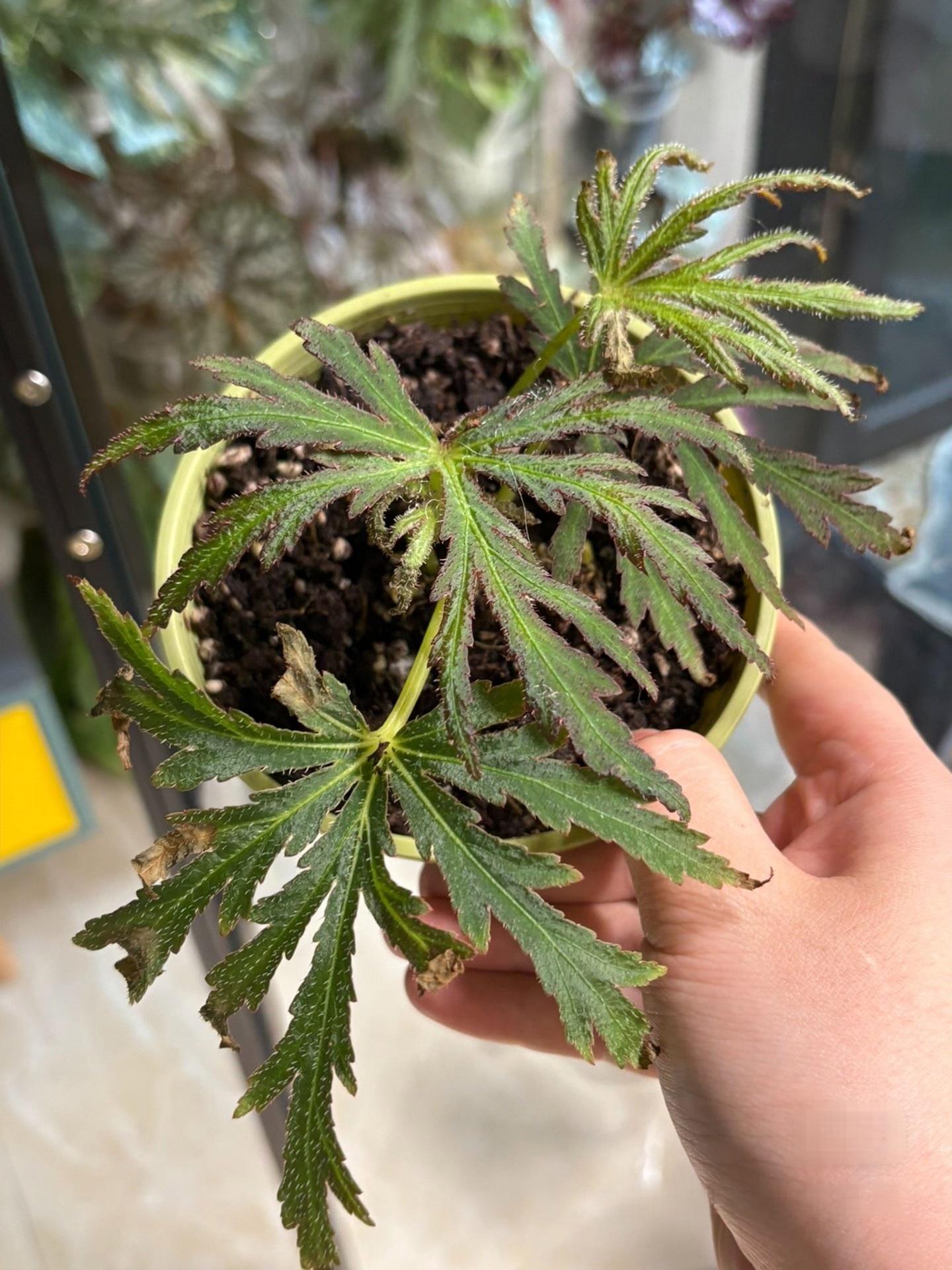
📌 簡介:
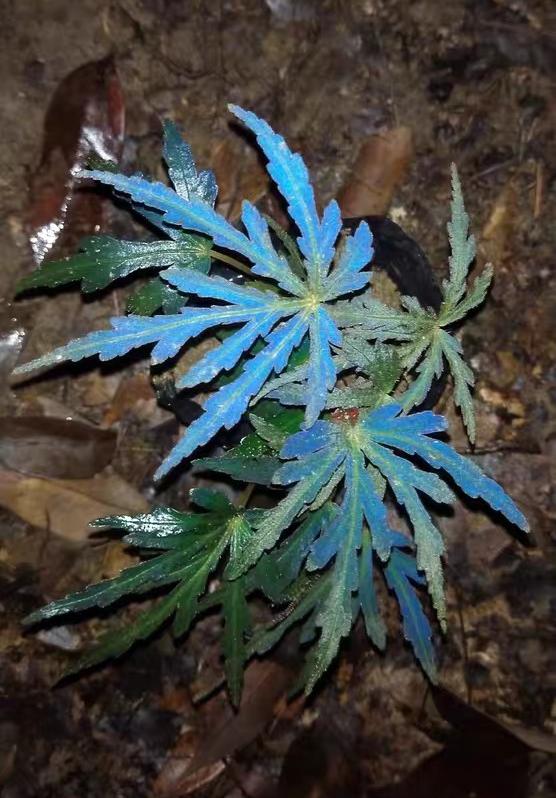
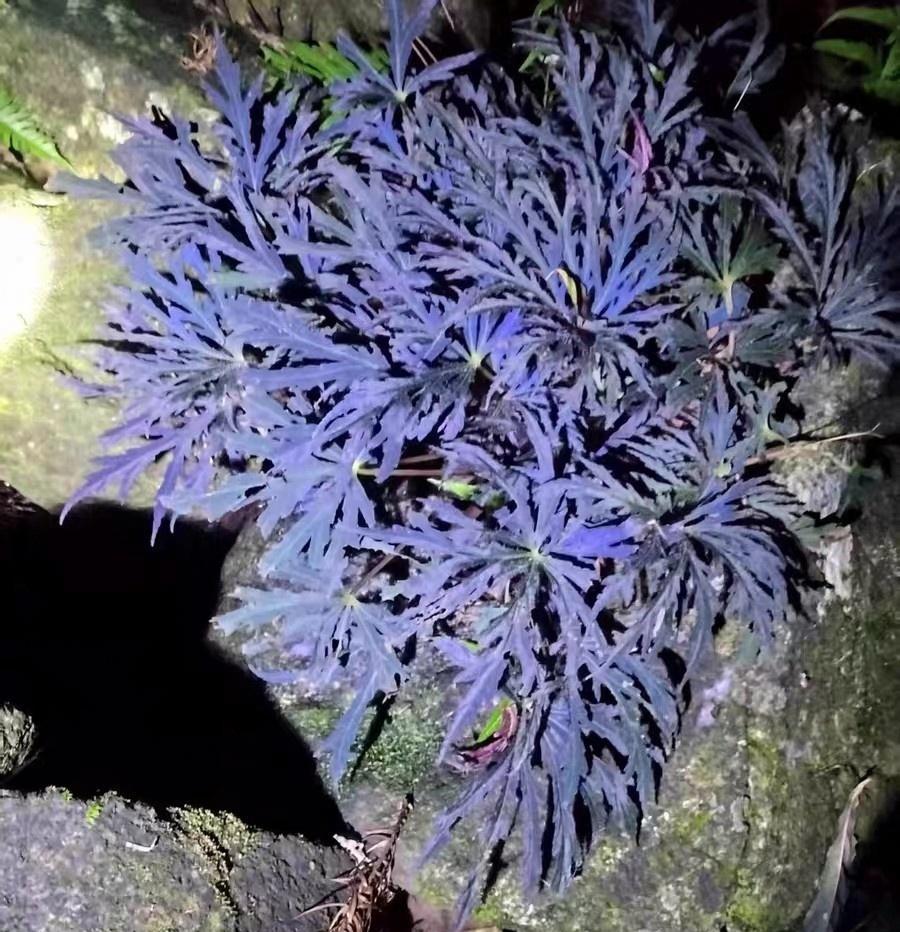
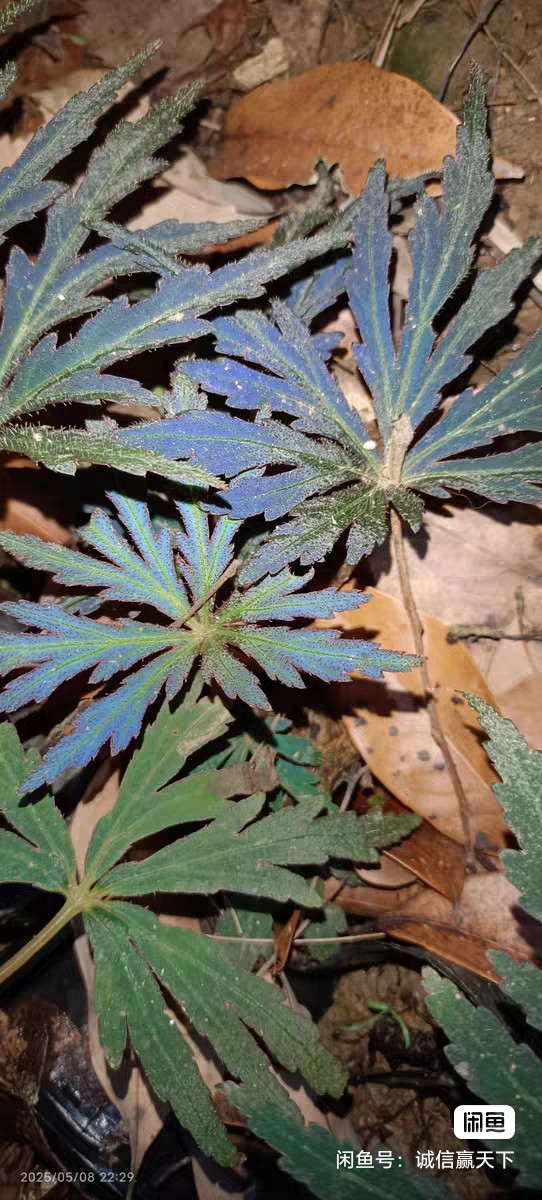
蝎尾裂秋海棠(Begonia scorpiuroloba)是秋海棠科秋海棠屬的多年生根莖型觀葉植物,原產於中國廣西南部,屬於較具特色的原生秋海棠。它最大的觀賞特色是葉片深裂,通常可分裂成多個狹長裂片,裂片末端呈尾狀,整體輪廓猶如蝎尾,因此得名「蝎尾裂秋海棠」。葉面呈綠色至深綠色,帶有細密毛被,葉背可呈灰綠、紫綠至紅紫色,配合較長的葉柄,觀賞層次非常豐富。Begonia scorpiuroloba 於2021年正式發表為新種,目前已知分布範圍相當有限。:contentReference[oaicite:0]{index=0}
📌 適合場景:
適合用作秋海棠收藏、原生植物收藏、雨林缸、植物缸、苔蘚缸及室內觀葉植物栽培。原生地主要生長於溪流附近的岩石表面或岩石裂縫,因此比較適合模擬濕潤、通風及具有一定空氣流動的環境。亦可作為秋海棠愛好者的特色品種收藏。
📌 養護要點:
- 光照:喜明亮散射光,避免長時間接受強烈直射陽光。光線過強容易造成葉片灼傷及失去原有的葉色層次。
- 水分:喜歡較高的環境濕度,但根莖及介質不宜長期積水。建議待表層介質稍微乾爽後再補水,保持濕潤而不悶濕。
- 溫度:適合溫暖環境栽培,避免長時間處於低溫或劇烈溫差。香港夏季高溫時尤其要注意通風及降溫。
- 濕度:喜較高空氣濕度,但高濕環境必須配合良好通風,避免葉片長時間積水而增加真菌性問題的機會。
- 介質:建議使用疏鬆、透氣及排水良好的介質,例如泥炭/椰糠搭配珍珠岩、樹皮或其他顆粒材料,避免使用過於黏重的土壤。
- 施肥:生長期間可使用稀釋的均衡型液體肥料,每2–4週施用一次即可。新上盆或剛收到的植株應先適應環境,再逐步恢復施肥。
- 病蟲害:留意紅蜘蛛、薊馬、蚜蟲及介殼蟲等常見害蟲。若環境長期高濕而通風不足,亦要注意葉斑及根莖腐爛問題。
📌 小貼士:
蝎尾裂秋海棠的原生環境與一般乾燥型觀葉植物不同,野外主要生長於溪流附近岩石及岩縫,保持「濕潤但不積水」以及良好通風是栽培重點。其深裂葉片是最具辨識度的特色,種植時避免過度遮陰,適量明亮散射光有助於維持葉片形態及色澤。需要注意的是,Begonia scorpiuroloba 是較晚近才正式描述的原生秋海棠,目前已知僅分布於廣西南部少數地點,因此適合以人工繁殖植株作收藏,避免採集野生植株。
Begonia scorpiuroloba, commonly known as Scorpion-tail Begonia, is a distinctive rhizomatous begonia native to southern Guangxi, China. It was formally described as a new species in 2021 and belongs to Begonia section Platycentrum. The species is known for its deeply divided leaves, with narrow lobes that create a striking scorpion-tail appearance.
The leaves are green to dark green on the upper surface and may show grey-green, purplish-green, or reddish-purple tones underneath. Fine hairs can be found on the leaf surfaces, adding extra texture. Its long petioles and deeply lobed foliage make it an attractive choice for collectors of unusual native begonias.
In cultivation, Begonia scorpiuroloba prefers bright, indirect light and consistently moderate to high humidity. The growing medium should remain slightly moist but never waterlogged. A loose, airy mix with good drainage is recommended. Good ventilation is particularly important when humidity is high.
This begonia naturally grows on rocks and in rock crevices near streams, so a humid and well-aerated environment suits it well. It can be grown as a specimen houseplant or used in suitable terrariums, rainforest-style plant displays, and specialist begonia collections.
相關商品:
 阿雅秋海棠 Begonia ‘Aya’
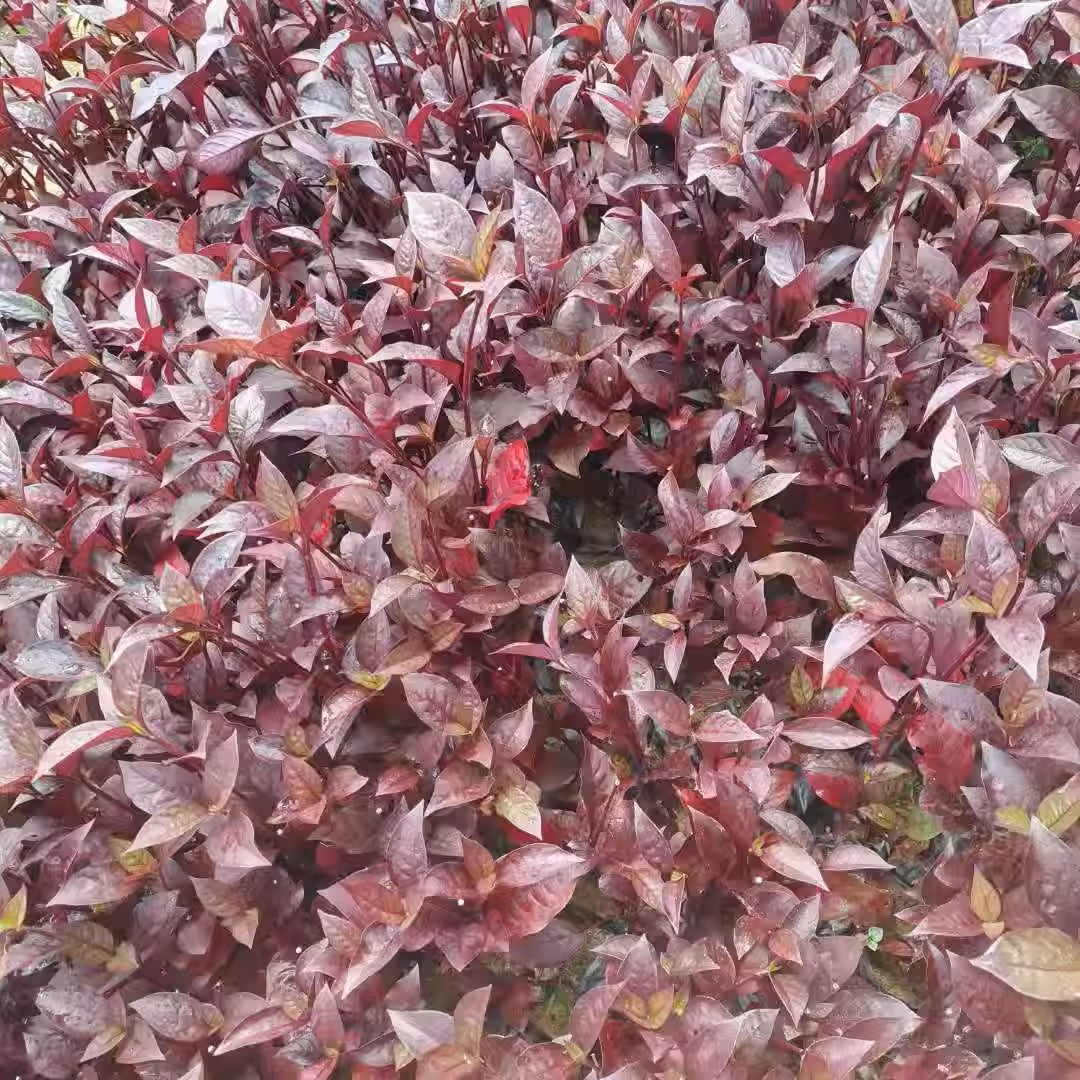 锦绣苋 Alternanthera bettzckinana
 希望花燭/麗晶水晶花燭 Anthurium crystallinum ‘Hope’
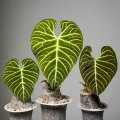 帝王花燭 Anthurium regale
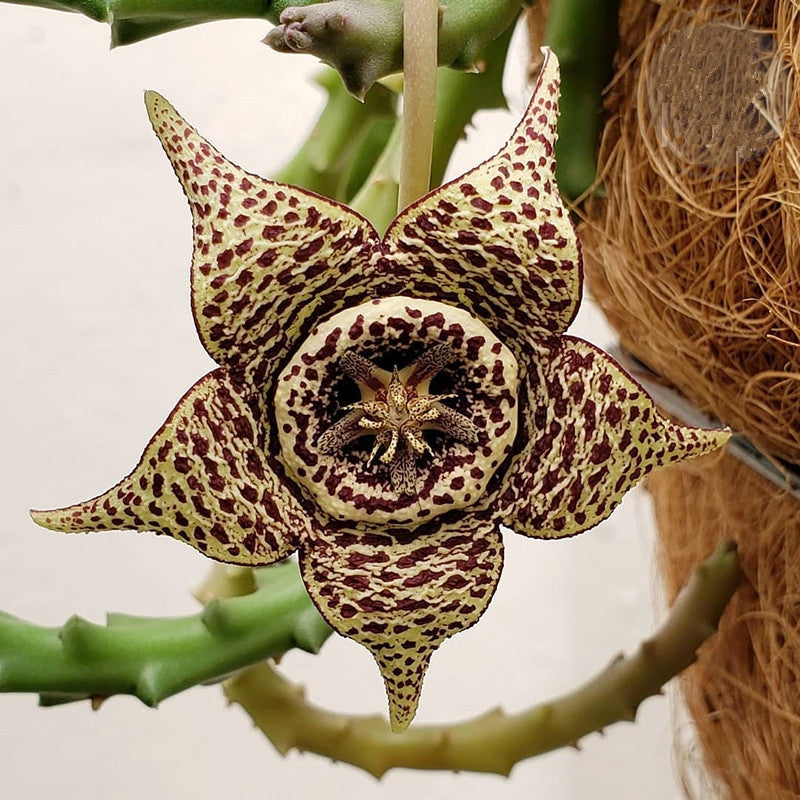 姬牛角/雜色豹皮花 Orbea variegate
 孔雀竹芋 Calathea makoyana
 皇后花燭/火鶴后花燭 Anthurium warocqueanum
 紅穗莼 Cabomba piauhyensis (Wabi-Kusa)
 棒葉虎尾蘭, 虎皮蘭 Sansevieria Cylindrica (Dracaena angolensis)
 柯達崗辣椒榕Bucephalandra sp. “Kodak”
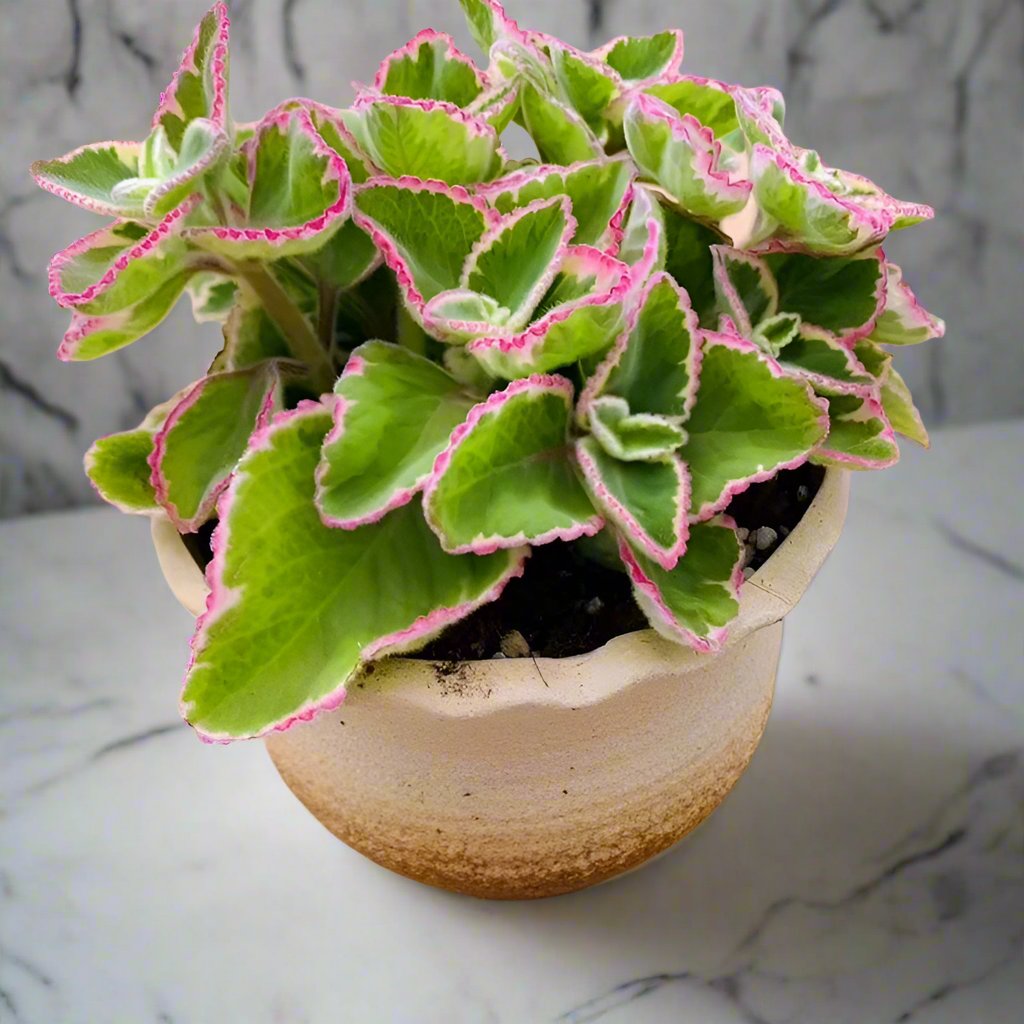 香妃草 Swedish Ivy (Plectranthus coleoides .Var)
 滇桂喜鹊苣苔 Ornithoboea wildeana
 绿蝴蝶草 Rotala Macrandra ‘Green’
 火鶴王花燭 Anthurium veitchii
